Create Analytical Instrument attended the "2026 2nd (Western) Sodium Battery Cathode and Anode Materials and Sodium Battery Application Technology Conference" and shared the application of X-ray fluorescence analyzer in the cutting-edge of the sodium batt
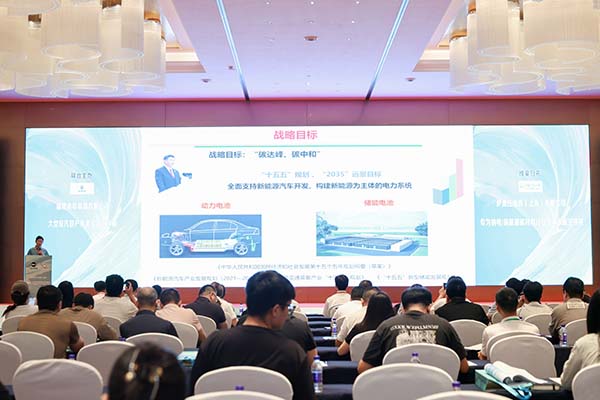
In July 2026, the "2026 2nd (Western) Sodium Battery Cathode and Anode Materials and Sodium Battery Application Technology Conference" was held in Chengdu. At the same time, the "China New Energy Carbon Materials Technology Forum" was also held, focusing on the latest research results and applications of sodium battery cathode/hard carbon anode materials and sodium battery energy storage, gathering renowned experts, scholars and enterprise representatives from the industry to jointly discuss new ideas for industry-university-research cooperation and development in the sodium ion battery field.
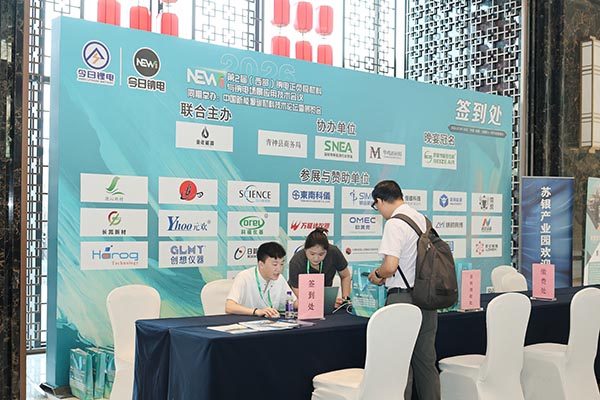
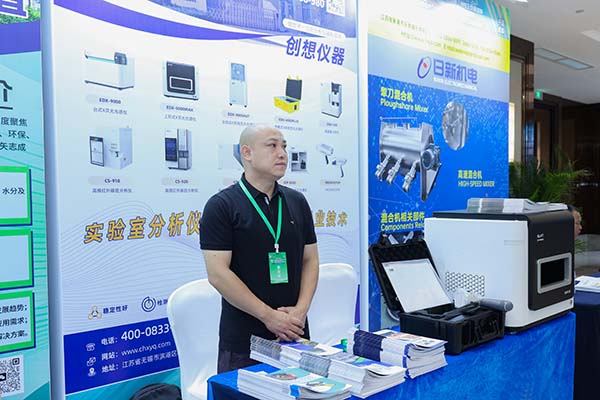
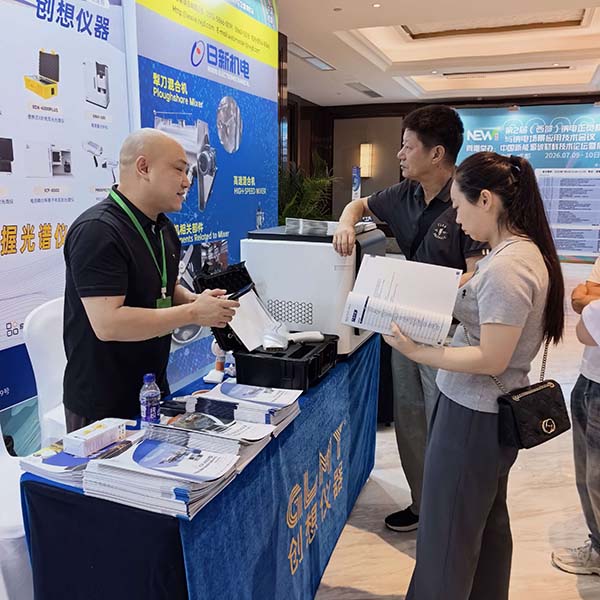
As a professional manufacturer of analytical instruments, Create Analytical Instrument showcased a variety of core detection equipment including X-ray fluorescence spectrometers at this conference, and shared the outstanding application of elemental analyzers in the sodium battery industry chain.
Element detection is of irreplaceable significance for the sodium battery industry. The element ratio accuracy and impurity content of the positive and negative electrode materials of sodium batteries directly determine the energy density, cycle life and safety performance of the batteries. Whether it is the metal doping optimization of layered oxide positive electrode materials or the purity control of hard carbon negative electrode materials, high-precision elemental analysis methods are required as technical support.

Based on the technical accumulation in the field of spectral analysis, Create Analytical Instrument has launched a series of elemental analysis instruments, which have demonstrated excellent performance in the detection of lithium batteries and sodium battery materials. Among them, the ICP spectrometer uses inductively coupled plasma excitation technology and can simultaneously determine over 40 elements in a single measurement. The detection limit is as low as the ppb level, enabling precise determination of the ratios of major elements such as nickel, iron, manganese, and sodium in the cathode materials. The error of major elements can be controlled within 0.5%, while trace impurities such as sodium and iron can also be detected, with an impurity detection accuracy of 5 ppm. The high-frequency infrared carbon-sulfur analyzer is designed to meet the detection requirements of carbon materials and can real-time detect the carbon content in the precursor sintering process, ensuring the purity and electrochemical performance of the materials. The X-ray fluorescence spectrometer is suitable for rapid screening tasks and can efficiently complete the preliminary classification of material types.
In terms of application scenarios, the detection solutions provided by
Create Analytical Instrument comprehensively cover the entire life cycle of battery materials: in the raw material stage, they can precisely analyze the elemental composition of raw materials such as lithium ore and electrolyte; in the production stage, they can monitor the elemental content of core components such as electrodes and separators, helping to optimize the process; in the research stage, they can support the development of new technologies such as solid-state batteries and sodium-ion batteries, enabling elemental distribution analysis; in the post-retirement recycling stage, they can efficiently analyze the content of valuable metals in used batteries, providing technical support for resource recycling.
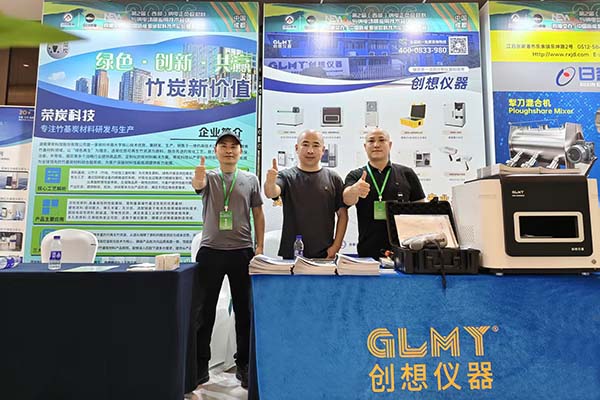
During this conference, Create Analytical Instrument will display related detection equipment at the exhibition booth and have in-depth exchanges with the attending experts and enterprise representatives on the element analysis technology for sodium battery materials. In the future, Create Analytical Instrument will continue to deeply focus on the research and development of battery material detection technology, promoting the evolution of battery material analysis from "quality control" to "performance design", and injecting technological impetus into the high-quality development of the sodium battery industry.



 中文
中文 EN
EN